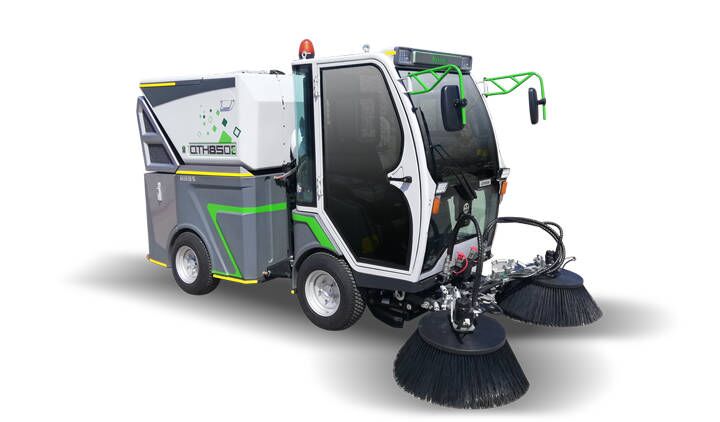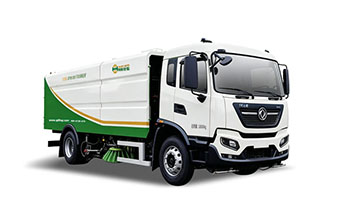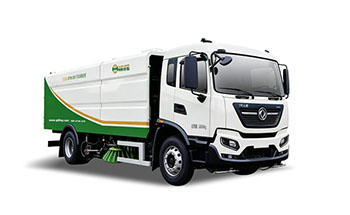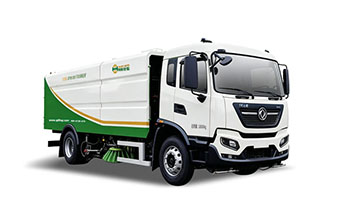
Professional Manufacturer Since 2005

Built for Cleaner Cities. Engineered for Real Work.

Tonghui Auto integrates R&D, manufacturing, sales and service for professional sanitation vehicles and municipal cleaning equipment.

2005
Founded
170,000
Factory Area
70,000
Building Area
11
Major Product Series
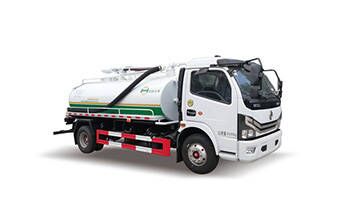
QTH5034ZLJBEV Electric High-pressure Cleaning Truck
Featured Vehicle
QTH5034ZLJBEV Electric High-pressure Cleaning Truck
View vehicle
170,000 m²
Manufacturing Base
35+
Vehicle Models
11
Product Series
29+
Customers
20+
Years Manufacturing
Product System

Vehicles for Collection, Transport, Cleaning and Maintenance

From urban waste collection to municipal road cleaning, Tonghui provides a broad sanitation vehicle portfolio for different operating environments.

View all products
Manufacturing Capability

From Engineering to Final Vehicle Delivery

Tonghui Auto operates a 170,000 m² manufacturing base with 70,000 m² of building area, integrating product development, vehicle assembly, quality control and customer service.

Learn about Tonghui
01

R&D and Engineering

Product development focused on sanitation applications, vehicle integration and practical operation.

02

Vehicle Manufacturing

Professional production for garbage collection, road cleaning and municipal maintenance vehicles.

03

Quality Control

Inspection and testing throughout production before vehicles leave the factory.

04

Customer Service

Sales consultation, configuration support and after-sales service for customers and projects.

Why Tonghui

Designed Around Real Sanitation Operations

01

Easy Waste Collection

Practical loading and collection systems improve daily operating efficiency.

02

High Compression Ratio

Efficient compaction helps maximize payload and reduce transport frequency.

03

Automated Operation

Control systems reduce repetitive manual work and simplify operation.

04

Operating Economy

Vehicle and working-system matching is optimized for practical operating economy.

05

Dual Safety Protection

Safety-focused mechanisms support stable operation during demanding work cycles.

06

Efficient Lifting Systems

Purpose-built lifting and tipping mechanisms reduce effort during collection work.

Customer Portfolio

Trusted Across Municipal and Environmental Projects

View customers →
FAQ

Practical Answers for Vehicle Operation

Read practical guidance from Tonghui on sanitation vehicle operation and maintenance.

View all FAQ →
1. Inspect the tire appearance regularly. If there are obvious cracks, deformation, worn tread or other abnormal conditions, the tire should be repaired or replaced promptly. 2. Pay attention to tire age. Even when the vehicle is in good condition and the tires show no obvious visible problems, tires should be replaced when they reach their recommended service-life limit to avoid safety risks.
Compression garbage trucks often work in dust, heat and demanding operating conditions, so regular maintenance is important. Follow the vehicle and engine maintenance manuals, replace timing belts and related components at the recommended intervals, and service engine oil and filters regularly. New vehicles should receive run-in maintenance, daily cleaning and inspection should be completed after each shift, and scheduled maintenance should be carried out according to the specified service intervals. Seasonal maintenance and proper storage are also important when the vehicle will not be used for a long period.
A high-pressure cleaning truck uses high-pressure water for sewer, pipeline and road cleaning. Before washing or servicing the vehicle, allow hot surfaces to cool and follow the equipment manual. Clean the vehicle from top to bottom, keep the high-pressure nozzle at a safe distance from painted surfaces, thoroughly rinse the chassis, wheel areas and hard-to-reach sections, and avoid directing a strong water jet at sensitive radiator or condenser fins. Use suitable vehicle-cleaning products rather than harsh household detergents, then rinse and dry the vehicle carefully.
Maintain the vehicle chassis and water pump according to their operating manuals. Before regular use, complete the required run-in procedure for a new vehicle. Check outlets and nozzles frequently for blockages and clean them when necessary. After every shift, remove dirt and oil, organize hoses and clean the work area. When the vehicle will be stored for a long period or during freezing weather, drain remaining water from the tank, pump and pipelines. Keep the chassis and painted surfaces clean and protect the vehicle from prolonged exposure to rain and strong sunlight whenever possible.
For water suction, park the sprinkler truck close to the water source, connect and position the suction hose correctly, place the valve in the suction position and engage the power take-off according to the vehicle instructions. Monitor the water level and stop suction when the tank reaches the required level. For spraying, set the valve for the required function such as front flushing, rear spraying, side spraying or watering, start the engine, engage the appropriate gear and power take-off, and operate the water pump. When the tank is empty, disengage the power take-off promptly to stop the pump.
Project & Vehicle Inquiry

Looking for the Right Sanitation Vehicle for Your Project?

Send us your application, capacity and chassis requirements. Our team will help you evaluate a suitable vehicle configuration.